

Blog
Open Head vs Tight Head Drums: Differences and Uses

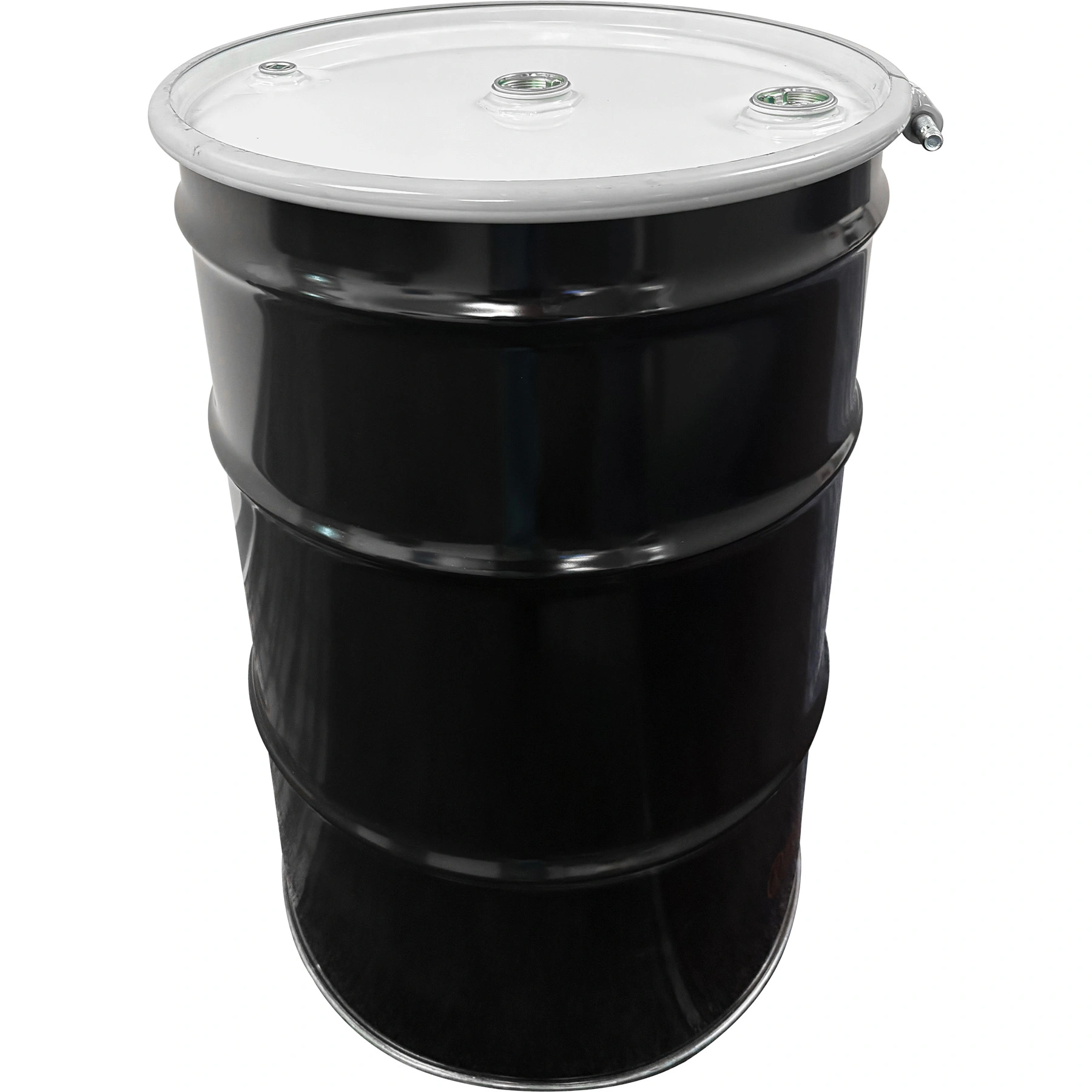
Open head vs tight head drum comes down to the top. An open head drum has a fully removable lid held by a ring, so it suits solids, thick products and anything you need to scoop. A tight head drum has a fixed top with two small bung openings, so it suits free-flowing liquids that you pour or pump.
Both styles come in steel and plastic and in the usual sizes, including the standard 55 gallon. Picking the wrong one is a common and annoying mistake: try getting peanut butter-thick adhesive out of a 2″ bung, or shipping solvent in a drum with a lever-lock lid. Here’s how they differ and how to choose.
Open Head vs Tight Head at a Glance
| Open head drum | Tight head drum | |
|---|---|---|
| Also called | Removable head, open top | Closed head, bung drum, non-removable head |
| Top | Full removable lid (cover) | Fixed top, part of the drum |
| Closure | Lever-lock ring or bolt ring | Threaded bung plugs, usually 2″ and 3/4″ |
| Best contents | Solids, powders, pastes, thick liquids, parts, waste | Free-flowing liquids such as water, oils, solvents, syrups |
| Filling and emptying | Scoop, pour or reach in; easy to fill with bulky items | Pump, siphon or pour through the bung |
| Cleaning | Easy, full access to the interior | Harder, access only through small openings |
| Typical UN rating | Often rated for solids; some carry liquid ratings | Usually rated for liquids |
| Tool needed | Usually none for lever-lock; a wrench for bolt rings | Bung wrench for the plugs |
Open Head Drums
An open head drum’s entire top comes off, which makes it the practical choice for anything you can’t pour through a small hole. Common uses include grains and animal feed, powders and pellets, resins and pastes, adhesives, sealants, small parts, rags and waste collection.
Lever-lock vs bolt ring
- Lever-lock rings clamp shut with a hinged lever. They’re quick to open and close by hand, which suits drums you open often. The 55 gallon straight-sided steel drum with a lever-lock cover is a typical example.
- Bolt rings tighten with a bolt and nut. They take a wrench and a bit longer, but they give a firmer, more even clamp, which is why they’re common on drums used for shipping. See the 55 gallon black UN rated open head steel drum with a bolt ring.
Some open head covers also include 2″ and 3/4″ bung fittings, so you get a removable lid for filling or cleaning plus bungs for pouring or venting. Plastic open head drums work the same way: the 55 gallon black open head plastic drum with a metal lever-lock ring and the 55 gallon blue open head poly drum with a bolt ring are both good examples.
Tight Head Drums
A tight head drum has its top permanently attached. Access is through two threaded openings, usually a 2″ bung for filling, pumping or pouring and a 3/4″ bung for venting or fitting a faucet. Fewer openings and no lid seam make tight head drums well suited to liquids, especially thin or volatile ones you don’t want sloshing out.
Typical contents include water, lubricants and oils, solvents, cleaning chemicals, syrups and juice concentrates (in food grade drums only). Steel tight head drums like the 55 gallon black tight head steel drum with 2″ and 3/4″ fittings are a staple for oils and chemicals. Plastic versions such as the 55 gallon white tight head plastic drum handle corrosive liquids and food-grade uses where the listing confirms FDA compliance.
Bung threads
Not every bung is the same. Steel drums typically use NPT threads. Plastic drums may use NPT, NPS or buttress threads, and those aren’t interchangeable. Before you order pumps, faucets or replacement plugs, check the thread type listed on the drum’s product page.
Steel or Plastic in Each Style?
Both open head and tight head drums come in steel and plastic, and the material choice is a separate decision. In short, steel is rigid and suits flammable and heavier contents, while plastic resists corrosion and is lighter. For the full comparison, see plastic vs steel drums. If you’re storing food, read food grade 55 gallon drums: what to look for before choosing either style.
Gaskets and Seals
Whatever the style, the seal is only as good as its gasket. Open head covers have a gasket around the rim, and tight head bung plugs have their own small gaskets. EPDM is common for water-based products, while other materials (such as Buna/nitrile) are often chosen for oils and fuels. Product listings usually name the gasket, so match it to what you’re storing. A gasket that swells, cracks or flattens over time is the usual cause of a leaking lid or plug, and replacing it is cheaper than replacing the drum.
Common Mistakes to Avoid
- Buying a tight head drum for a product that thickens in cold weather, then struggling to get it out through a 2″ opening.
- Using a lever-lock open head drum for liquids that will be shipped, where a bolt ring or tight head would hold up better.
- Assuming any drum is rated for your material. Check the UN marking for liquids versus solids and the maximum specific gravity.
- Ordering fittings before confirming the bung thread type.
How to Choose
Ask yourself these questions, in this order:
- Will it pour? If the product flows freely at your storage temperature, a tight head drum is usually the better fit. If it doesn’t, go open head.
- How will you empty it? Pumping or siphoning works well through a bung. Scooping, dumping or reaching in needs an open head.
- Are you shipping it? Check the UN rating on the drum for your material and whether it’s rated for liquids or solids. For open head drums used in transport, a bolt ring is the common choice.
- Will you reuse and clean it? Open head drums are much easier to clean between uses.
- How often will you open it? Daily access favors a lever-lock open head. Long-term sealed storage favors tight head.
Common Repurposing Choices
For rain barrels and water storage, tight head drums are the usual pick because the fixed top keeps debris and light out, and the bungs take standard fittings. For feed bins, tool storage or compost, open head drums are easier because you need regular access to the contents.
Know which style you need? Shop open head steel drums, tight head steel drums, or the full range of plastic drums in both styles.
Frequently Asked Questions
What is the difference between an open head and a tight head drum?
An open head drum has a fully removable lid secured with a lever-lock or bolt ring. A tight head drum has a fixed top with small threaded bung openings, usually 2 inch and 3/4 inch. Open head suits solids and thick products; tight head suits liquids.
Which is better for liquids, open head or tight head?
Tight head drums are generally better for free-flowing liquids because the fixed top and threaded bungs seal well and limit spills. Some open head drums carry liquid UN ratings, but check the rating for your material.
What is a bolt ring on a drum?
A bolt ring is a metal band that clamps an open head drum’s lid in place and tightens with a bolt and nut. It gives a firmer seal than a lever-lock ring and is common on drums used for shipping.
Do I need a special tool to open a tight head drum?
Usually yes. A bung wrench is the standard tool for removing 2 inch and 3/4 inch bung plugs without damaging them.
Can I use an open head drum as a rain barrel?
You can, but a tight head drum is the more common choice because the fixed top keeps out light, debris and insects, and the bung openings accept standard spigots and fittings.


