

Blog
How to Choose the Right Water Storage Tank

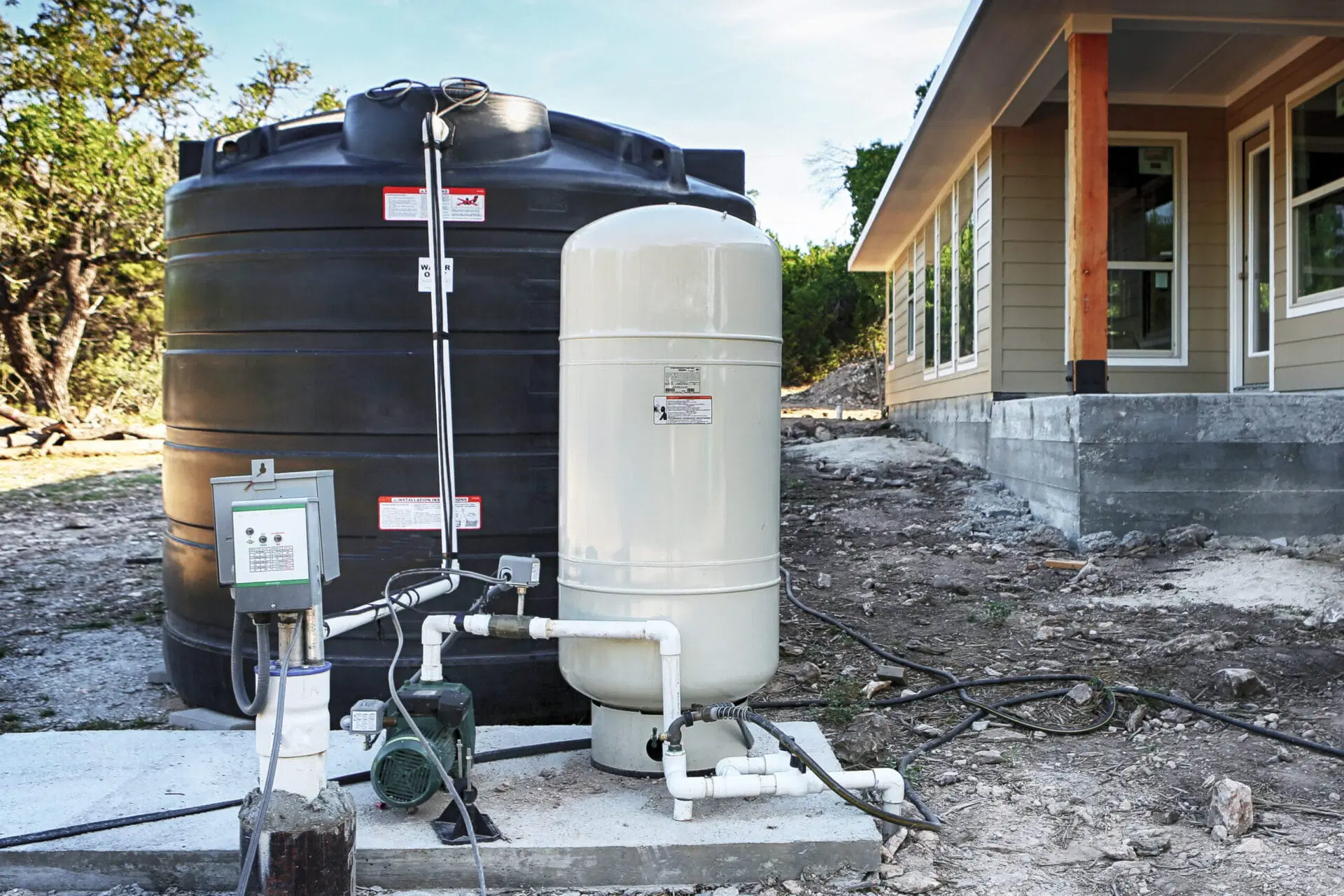
A water storage tank is the right choice when it matches three things: how much water you need on hand, where the tank will sit, and whether the water is for drinking or for everything else. Get those three right and the material, fittings and price usually sort themselves out. This guide walks through each decision so you can pick a drum, tote or tank that fits the job the first time.
Start with what the water is for
Water storage falls into two broad groups, and they call for different containers.
- Drinking water and emergency supply. Use a container made from food-contact-safe material, such as new HDPE that the product page lists as FDA compliant. Containers that previously held chemicals should never be used for drinking water, even after washing.
- Non-potable water. Rainwater for the garden, livestock troughs, wash-down water, dust control and fire-break reserves can go into reconditioned or rebottled containers, which cost far less.
If you are not sure which group your use falls into, treat it as drinking water. It is easier to downgrade a clean tank than to clean up a contaminated one. Our guide to food grade 55 gallon drums explains what to look for on a spec sheet.
Work out how much capacity you need
Size the tank from your daily use, then multiply by the number of days you want to cover. A common emergency planning figure is one gallon per person per day for drinking and basic hygiene. Garden, livestock and process water vary much more, so measure a typical week if you can.
| Need | Typical container | Approx. capacity |
|---|---|---|
| Small household emergency reserve | 5 gallon pails or 30 gallon drums | 5–30 gal each |
| Family emergency supply, rain barrel | 55 gallon plastic drum | 55 gal |
| Garden irrigation, small livestock, job sites | 275 gallon IBC tote | 275 gal |
| Larger irrigation, farm and commercial use | 330 gallon IBC tote, or several totes linked | 330 gal+ |
For exact footprints and empty weights, see IBC tote dimensions and how many gallons are in a drum.
Plan for the weight
Water weighs about 8.34 pounds per gallon. A full 55 gallon drum is roughly 460 lb of water before you add the drum, and a full 275 gallon tote is well over 2,000 lb. That changes where the tank can go:
- Set full totes on a level concrete pad or compacted gravel base, never on soft soil or a wooden deck that was not designed for the load.
- If you raise a tank for gravity feed, the stand has to carry the full weight with a margin. Many people use a sturdy block base for this.
- Decide where the tank lives before you fill it. Moving a full drum or tote by hand is not realistic.
Choose the container type
Plastic drums
HDPE drums are the most popular water container because they do not rust and are light enough to move when empty. A 55 gallon blue tight head plastic drum keeps water sealed behind threaded bungs, which is ideal for long-term reserves. If you want to reach in and scoop or clean, an open head drum such as this 55 gallon blue open head drum with lever lock lid is easier to work with. Browse the full range in plastic drums and barrels.
IBC totes
An IBC tote stores the volume of about five 55 gallon drums in a single pallet footprint and has a bottom valve for easy draining. A new 275 gallon IBC tote with a 2″ camlock valve is the usual pick for clean water. A reconditioned 275 gallon tote is a budget option for irrigation and wash water. Need more volume? The 330 gallon IBC tote adds capacity on the same footprint. Not sure which size? Read 275 vs 330 gallon tote, or shop all IBC totes.
Pails
For small, portable reserves, a 5 gallon white plastic pail is easy to carry and stack. Lids are sold separately, so add one that seals. See all plastic pails and buckets.
Think about sunlight and algae
Algae needs light to grow. Natural and white containers let light through, so outdoor tanks in full sun can turn green over a season. Keep tanks in the shade, cover them, or choose a dark container. A black 275 gallon IBC tote blocks far more light than a natural bottle and suits outdoor rainwater setups.
Check the fittings before you buy
- Drum bungs: most plastic drums use 2″ and 3/4″ bungs. Check whether yours are NPS or buttress threads so your faucet or pump fits.
- Tote valves: a 2″ camlock valve connects quickly to hoses; NPT valves take threaded fittings. Match the valve to the hose or pump you already own.
- Pumps: for drums, a hand pump such as a manual rotary drum pump with 2″ bung adapter makes dispensing easier. Confirm the thread matches your drum before ordering.
Keep stored water in good shape
Clean a container before first use, fill it from a clean source, and keep it sealed. Rotate drinking water reserves on a regular schedule, and label each container with the fill date. Our safe storage tips for water tanks and barrels cover placement, inspection and cleaning in more detail.
Quick checklist
- Drinking water or non-potable?
- Daily use × days of reserve = capacity.
- Can the base carry the full weight?
- Drum, tote or pail for how you will draw the water?
- Shade or a dark container if it sits outside.
- Fittings that match your hose, faucet or pump.
Ready to choose? Compare IBC totes and plastic drums, or contact us for bulk quantities. We ship to the United States and Canada.
Water Storage Tank FAQs
What size water storage tank do I need?
Multiply your daily use by the number of days you want covered. For drinking and basic hygiene, a common planning figure is one gallon per person per day, so a family of four needs about 55 gallons for two weeks.
Can I store drinking water in a reconditioned drum or tote?
No. Use new containers whose product page lists food-contact-safe or FDA compliant material. Reconditioned and previously used containers are best kept for non-potable water.
Is a 55 gallon drum or an IBC tote better for water?
A 55 gallon drum is easier to place and move when empty. An IBC tote holds about five drums’ worth in one pallet footprint and drains through a bottom valve, which suits irrigation and larger reserves.
How do I stop algae in an outdoor water tank?
Block the light. Keep the tank in shade, cover it, or use a dark container such as a black IBC tote, and keep the lid sealed.
How heavy is a full water tank?
Water weighs about 8.34 lb per gallon, so a full 55 gallon drum carries roughly 460 lb of water and a full 275 gallon tote more than 2,000 lb.


