

Blog
Safe Storage Tips for Water Tanks and Barrels

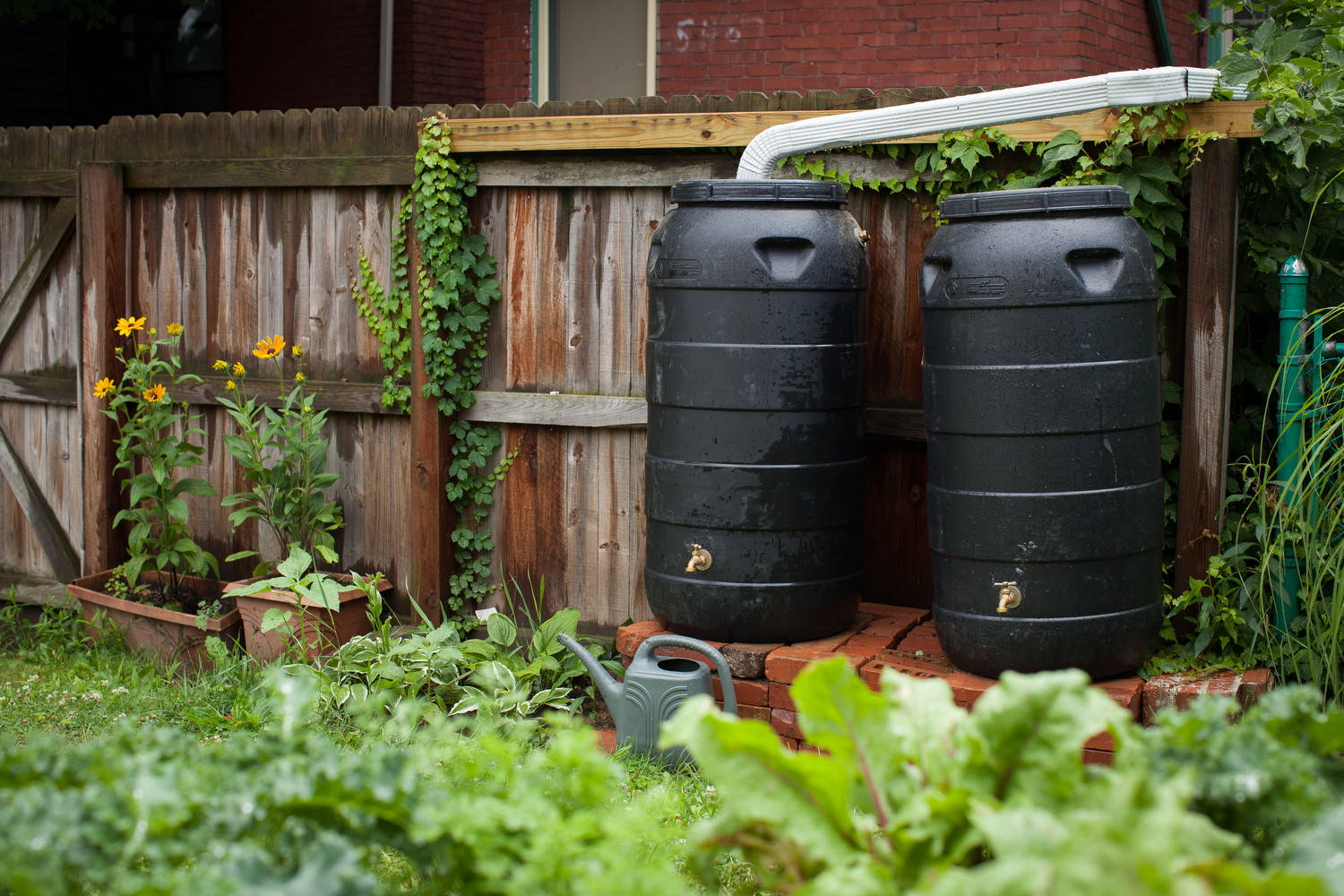
Water barrel storage is safe and long-lasting when you start with the right container, keep it clean and sealed, protect it from sunlight and heat, and inspect it on a schedule. Most problems people run into, such as green water, off smells, leaks and split drums, come from skipping one of those steps. Here is how to avoid each one.
1. Start with the right container
Safe storage begins before the first drop goes in. For drinking water, use a new container made from material listed as food-contact-safe or FDA compliant on the product page. Never use a drum or tote that previously held chemicals, fuel or pesticides for drinking water. For garden, livestock or wash-down water, reconditioned containers work well and cost less.
- Long-term sealed reserves: a 55 gallon blue tight head plastic drum with threaded bungs.
- Bulk water you draw often: a new 275 gallon IBC tote with a bottom valve.
- Small, portable reserves: a 5 gallon plastic pail with a sealing lid.
Not sure what “food grade” means on a listing? See what food grade really means.
2. Clean before the first fill
Even new containers pick up dust in transit. Rinse the inside, wash with a mild unscented dish soap solution, and rinse again until the water runs clear. Some people follow with a dilute unscented household bleach rinse for drinking water containers; if you do, follow the bleach label directions and rinse thoroughly afterwards. Let the container drain fully before filling.
3. Fill from a clean source and seal it
- Use a clean, drinking-water-safe hose for potable water. Garden hoses are not made for drinking water.
- Fill to near the top so there is little air space, then close the bungs or lid firmly.
- Label each container with the contents and fill date.
4. Pick the right spot
Where the container sits matters as much as what it is made of.
| Do | Avoid |
|---|---|
| Level, solid base such as concrete or compacted gravel | Soft soil, slopes, or decks not rated for the load |
| Shade, a garage or a covered area | All-day direct sun |
| Space to reach bungs, valves and lids | Tight corners where you cannot inspect |
| Away from fuel, solvents and pesticides | Next to chemicals that can give off vapors |
Remember the weight: water is about 8.34 lb per gallon, so a full 55 gallon drum carries around 460 lb of water. Put it in place before you fill it.
5. Keep sunlight and heat out
Sunlight lets algae grow in light-colored containers and, over years, UV exposure ages plastic. Store indoors where you can. Outdoors, use shade, a cover, or a dark container. A black 275 gallon IBC tote is a common choice for rainwater because it blocks most light.
6. Watch out for freezing
Water expands as it freezes. In cold climates, a full container left outside can bulge, crack, or damage valves and fittings. Move drums indoors for winter, leave some headspace if they must stay outside, or drain totes and leave the valve open.
7. Inspect on a schedule
A quick monthly check catches problems early:
- Look for bulging, cracks, stress whitening or leaks around bungs and valves.
- Check that lids, gaskets and bung caps are tight and undamaged.
- For IBC totes, check the cage welds and the pallet for corrosion or damage.
- Note any change in color or smell of the water.
8. Rotate drinking water reserves
Stored drinking water should be refreshed regularly. Many households empty, clean and refill their emergency drums on a set schedule, such as once or twice a year, and use the old water for the garden. Your fill-date labels make this easy to track.
9. Use the right tools to draw water
Tipping a full drum is unsafe. Use a drum pump or faucet in the bung instead. A manual rotary drum pump with 2″ bung adapter moves water steadily without lifting; check the thread against your drum first, since many US drums use NPS or buttress bungs. For totes, attach a hose to the camlock or NPT valve. Drum handling gear lives in drum accessories.
Water Barrel Storage Checklist
- Right container for the water’s use
- Cleaned and rinsed before first fill
- Filled from a clean source, sealed and labeled
- On a level base, in shade, away from chemicals
- Protected from freezing
- Inspected monthly and rotated on schedule
Need containers? Shop plastic drums and IBC totes, or read how to choose the right water storage tank.
Water Storage FAQs
How long can water be stored in a plastic barrel?
Many households refresh stored drinking water once or twice a year. Keep it in a clean, sealed, food-contact-safe container out of sunlight, and label it with the fill date so you know when to rotate it.
Can I keep a water barrel outside?
Yes, if it sits on a level base, is shaded or dark-colored to limit algae, and is protected from freezing. Indoor storage in a garage or basement is easier on both the water and the container.
Why did my stored water turn green?
Green water usually means algae, which grows when light gets into the container. Move it to shade, cover it, or switch to a dark container, and clean the container before refilling.
Can I store water in a drum that held chemicals?
Not for drinking water. Containers that held chemicals, fuel or pesticides should only be reused for compatible non-potable purposes.
Should I put a full water drum on a wooden deck?
Only if the deck is built for the load. A full 55 gallon drum carries roughly 460 lb of water, and a full 275 gallon tote more than 2,000 lb.


2 thoughts on “Safe Storage Tips for Water Tanks and Barrels”